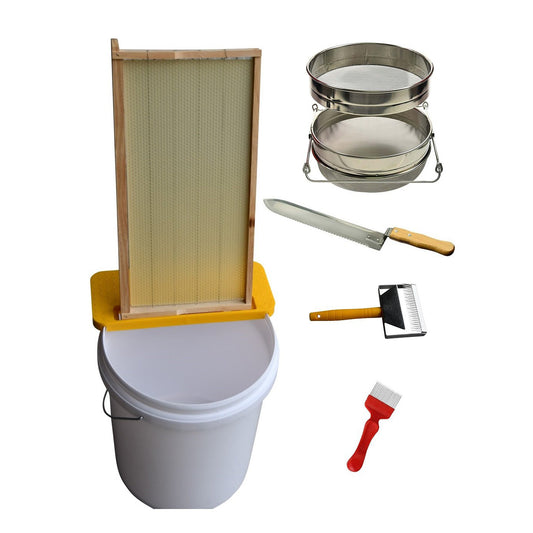
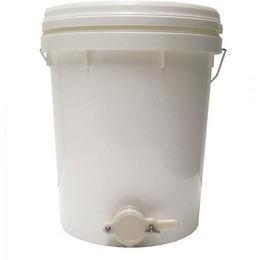
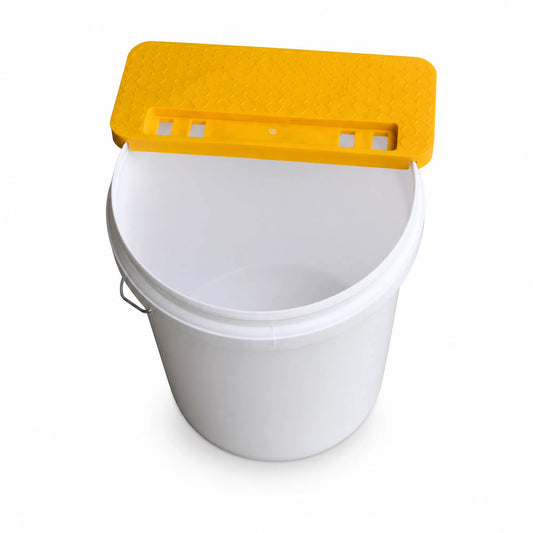
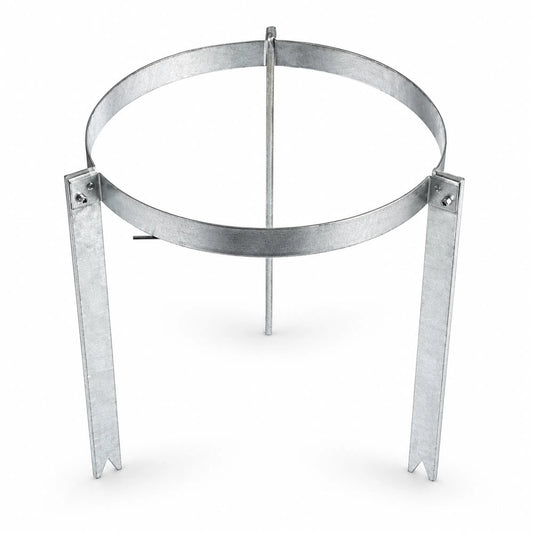
Experience the most efficient and rewarding honey harvesting process with our top-quality tools and equipment. Honey harvesting is a crucial phase in beekeeping, and having the right tools ensures a smooth, clean extraction of your honey. From extractors and uncapping tools to filters and honey tanks, we offer everything you need to collect, process, and store your honey with minimal waste. Our range is perfect for beekeepers of all levels, designed to help you get the best out of your harvest.
What honey harvesting equipment do I need as a beekeeper?
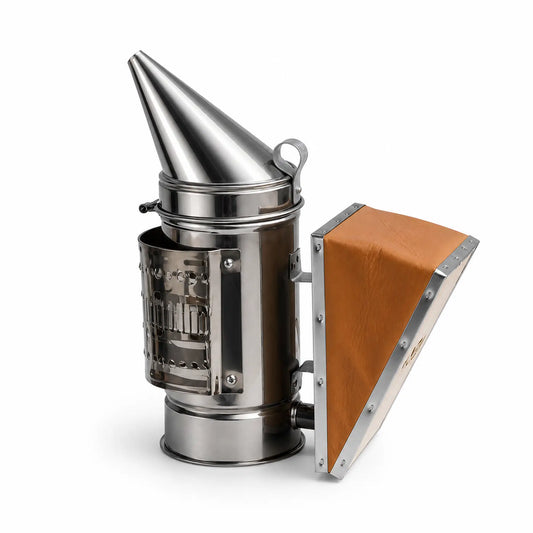
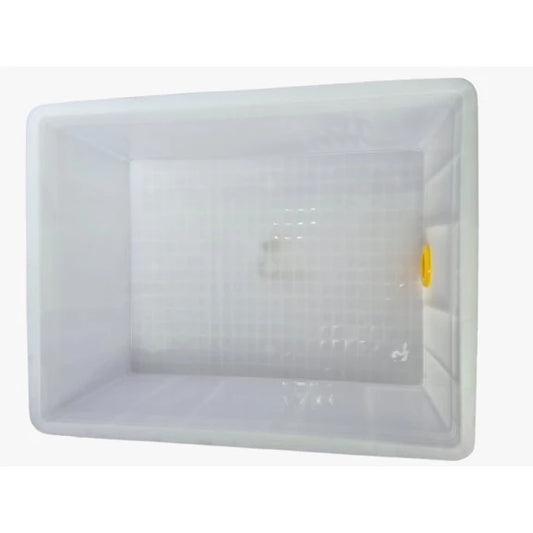
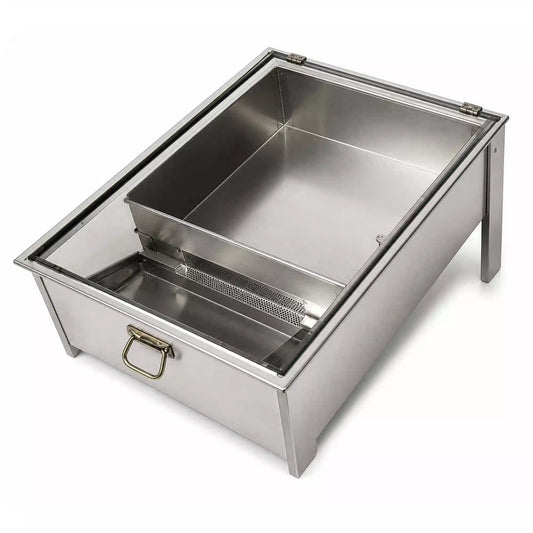
The essential honey harvesting equipment every beekeeper needs includes: a bee smoker to calm the bees during inspections and harvest, a hive tool to pry frames apart, a bee brush to gently remove bees from frames, an uncapping knife or fork to remove the wax cappings from honey-filled comb, a honey extractor to spin honey out of the frames, an uncapping tray or tank to catch wax and honey during uncapping, a honey strainer or filter to remove wax bits from extracted honey, a storage tank or honey bucket to hold honey before bottling, and honey jars and labels for packaging your finished honey. For your first season, you can start with the basics and add equipment as you grow.
How does a honey extractor work?
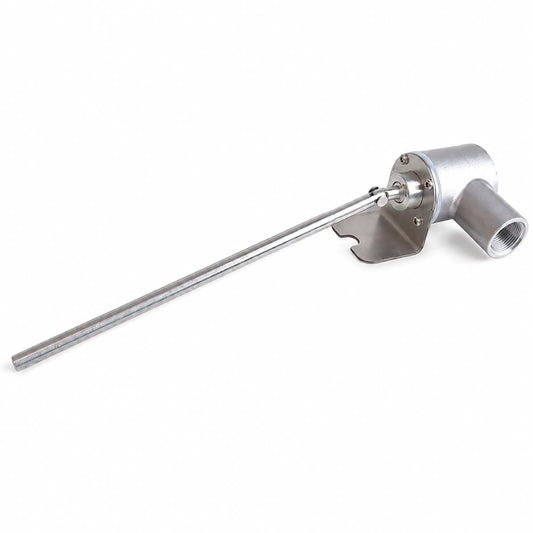
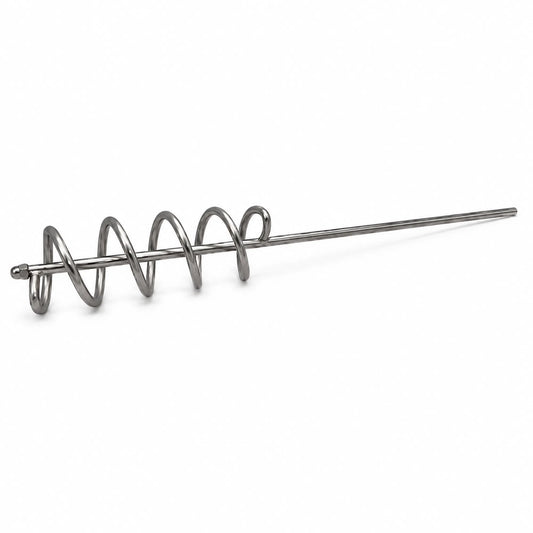
A honey extractor uses centrifugal force to spin honey out of uncapped comb without destroying it. After you remove the wax cappings, frames are loaded into a basket inside the extractor. Spinning the basket — either by hand crank (manual) or motor (electric) — flings the honey out of the comb and onto the inside walls of the drum. The honey then drains down to a tap at the bottom, where it can be released into a bucket or strainer. The empty comb stays intact on the frames so that the bees can refill it the next season.
Should I buy a manual or electric honey extractor?
It depends on how many hives you have. A manual extractor is best for hobby beekeepers (1–10 hives), off-grid apiaries, or anyone watching costs — hand-cranked, simple, reliable, and produces excellent results. An electric extractor is best for sideliners and commercial beekeepers (10+ hives), where the time saved by motorised spinning makes a real difference. Both produce the same quality honey — the difference is purely about time, scale, and budget.
What's the difference between a tangential and a radial honey extractor?
These terms refer to how frames are positioned in the extractor. In a tangential extractor, frames sit flat against the basket walls with one side facing outwards — you spin one side, then flip the frames to spin the other side. It's cheaper and great for hobbyists. In a radial extractor, frames sit like spokes on a wheel with both sides exposed to the spinning force at once — no flipping required, faster, and better for commercial use. Most of our extractors are tangential — they're the right choice for most Australian beekeepers.
Why do I need a bee smoker for harvesting?
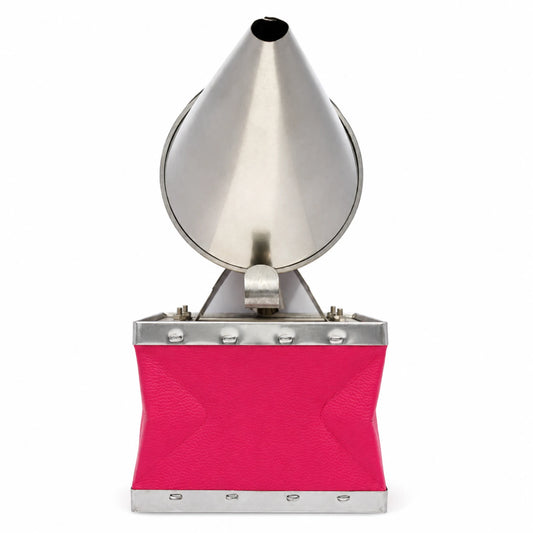
A bee smoker is essential during honey harvest because it calms the bees so you can work safely and quickly. When bees detect smoke, they instinctively prepare for a possible fire and gorge themselves on honey, which makes them docile and less defensive. A few puffs of cool smoke around the hive entrance and across the top frames before you start work makes harvesting dramatically safer and more pleasant for both you and the bees.
What can I use as fuel in my bee smoker?
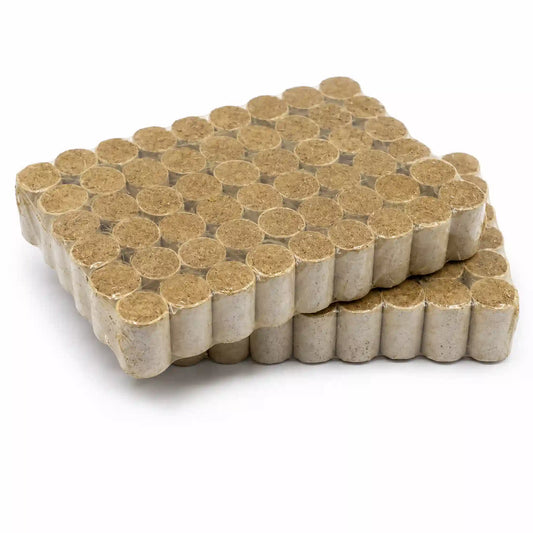
Good smoker fuels burn cool and slow, producing calming smoke without flames. Popular Australian smoker fuels include pine needles (abundant, free, and burn beautifully), hessian/burlap (long-lasting, cool smoke), wood pellets (clean, consistent, easy to use), kraft paper strips (clean kindling to get the smoker going), cardboard or paper egg cartons, and untreated wood shavings. Avoid anything chemical-treated, painted, or synthetic — the smoke could harm your bees and contaminate your honey.
What's the best way to uncap honey frames?
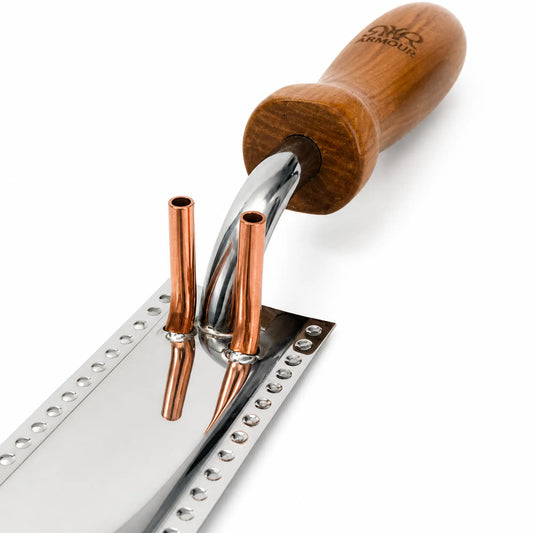
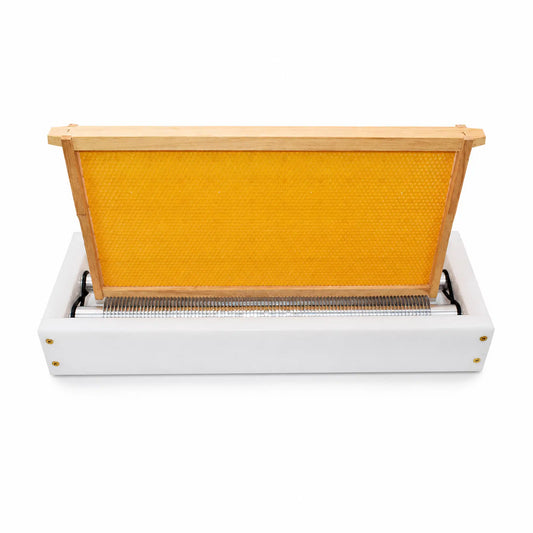
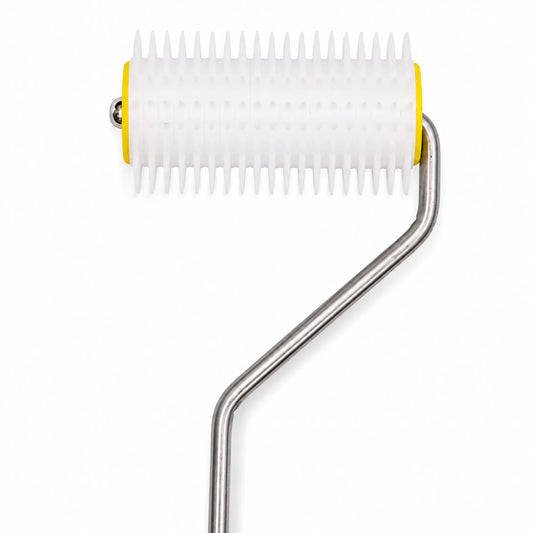
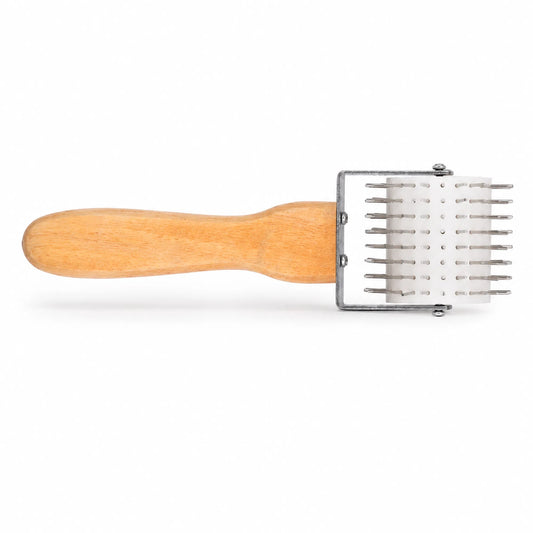
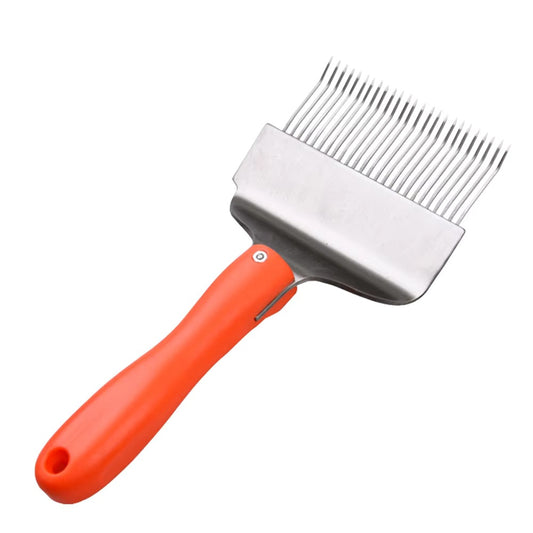
The uncapping process is the first step in honey extraction. You have several tool options: a cold uncapping knife (a long, sharp knife that slices the cappings off in one smooth motion — affordable and effective), a heated/electric uncapping knife (electrically warmed for cleaner, smoother cuts and faster than cold knives), an uncapping fork/scratcher (great for unevenly capped frames or small areas the knife missed), and an uncapping roller (pierces cappings without removing them, allowing honey to drain through). Most beekeepers use a combination — a cold or heated knife for the main work, plus a fork for touch-ups.
Do I need to filter or strain my honey?
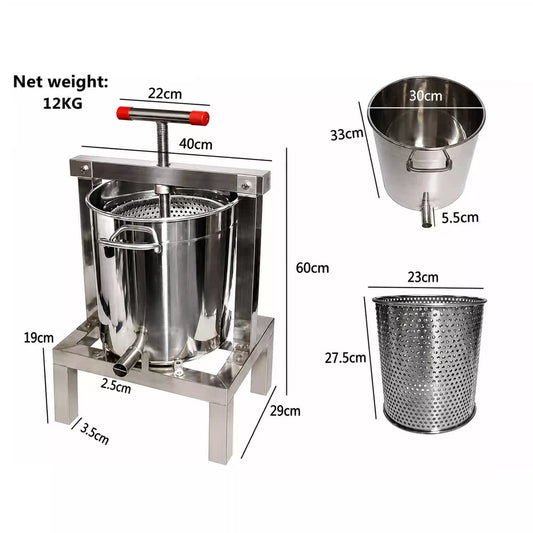
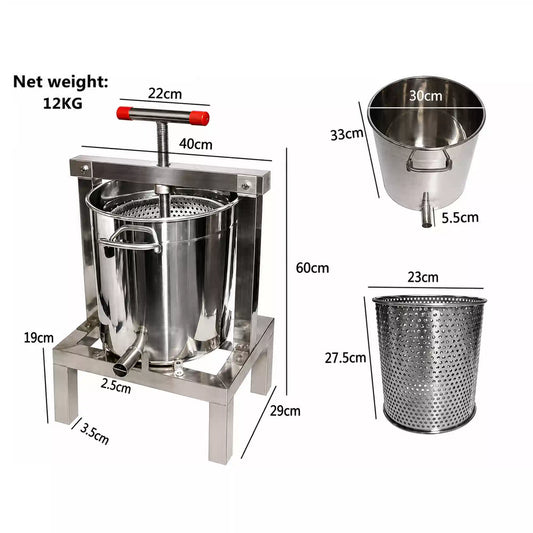
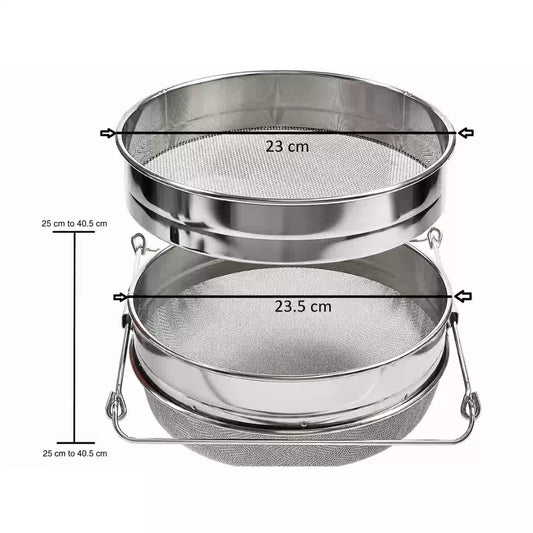
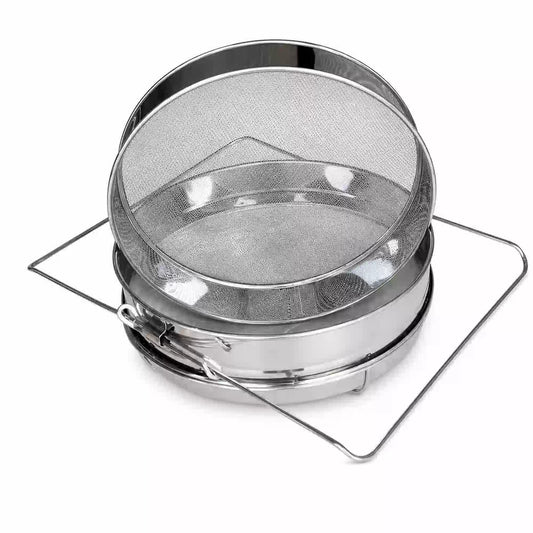
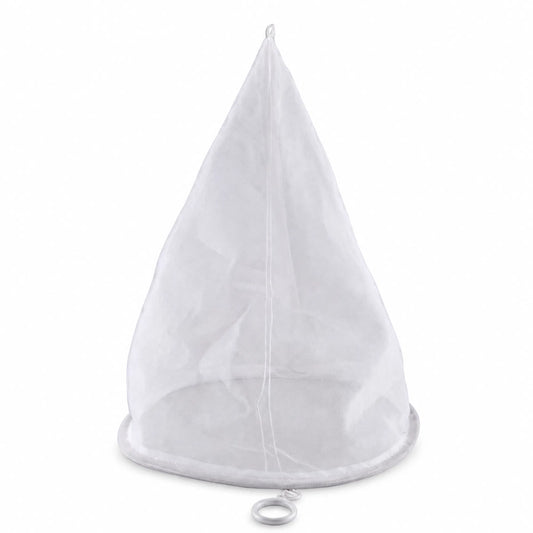
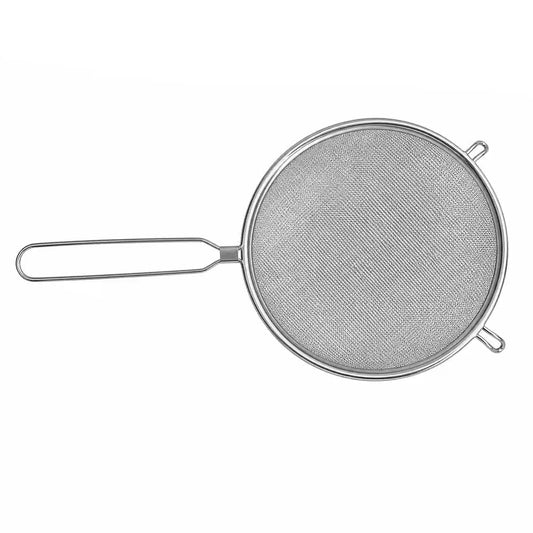
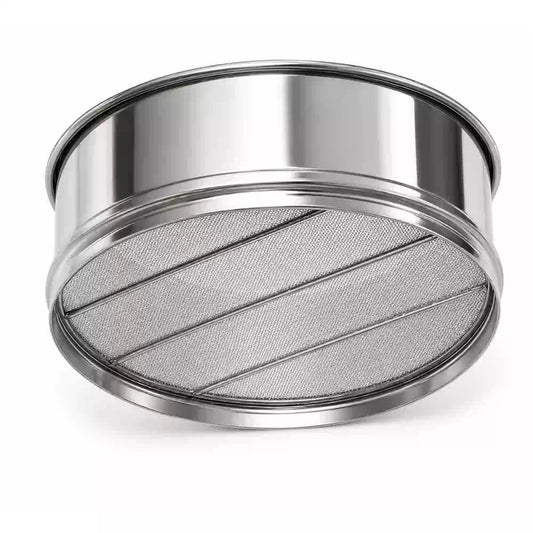
Yes — straining honey is essential before bottling. Even after careful extraction, honey contains tiny bits of wax, pollen, and propolis that customers don't want in their jars. A simple two-stage strainer (coarse + fine mesh) sits over your bucket or storage tank, letting honey flow through while catching debris. You can also use stainless steel mesh strainers (reusable, easy to clean), nylon paint-filter strainers (disposable, very fine), or settling tanks (let honey rest 24–48 hours so wax floats to the top). Most honey producers use a combination of straining and settling for the cleanest results.
What's the best way to store honey after harvest?
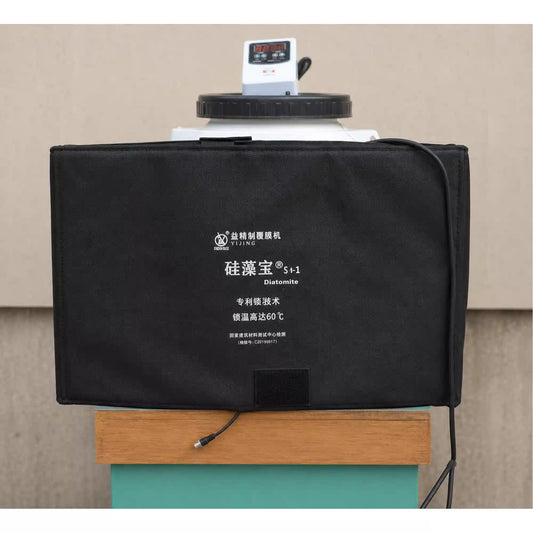
Honey is naturally antimicrobial and stores well — but proper storage protects flavour and quality. Use food-grade SS 304 stainless steel storage tanks for bulk honey, keep tanks tightly sealed to prevent moisture absorption and fermentation, store at room temperature (20–25°C is ideal), keep away from direct sunlight to preserve colour and enzymes, and avoid heating above 40°C as high heat damages flavour and natural enzymes. Properly stored honey can last for many years without spoiling.
Why does my honey crystallise, and is that a problem?
Crystallisation is completely natural and not a sign of spoiled honey. All raw honey will eventually crystallise as the natural glucose forms tiny crystals — some honey types crystallise faster than others (canola crystallises within weeks; manuka can stay liquid for months). To re-liquify crystallised honey, use a decrystallizer (gentle, controlled warming), place jars in a warm water bath at 35–40°C, or never microwave — high heat damages enzymes. Many customers actually prefer crystallised honey for spreading on toast.


 Sale
Sale