Beekeeping Gear
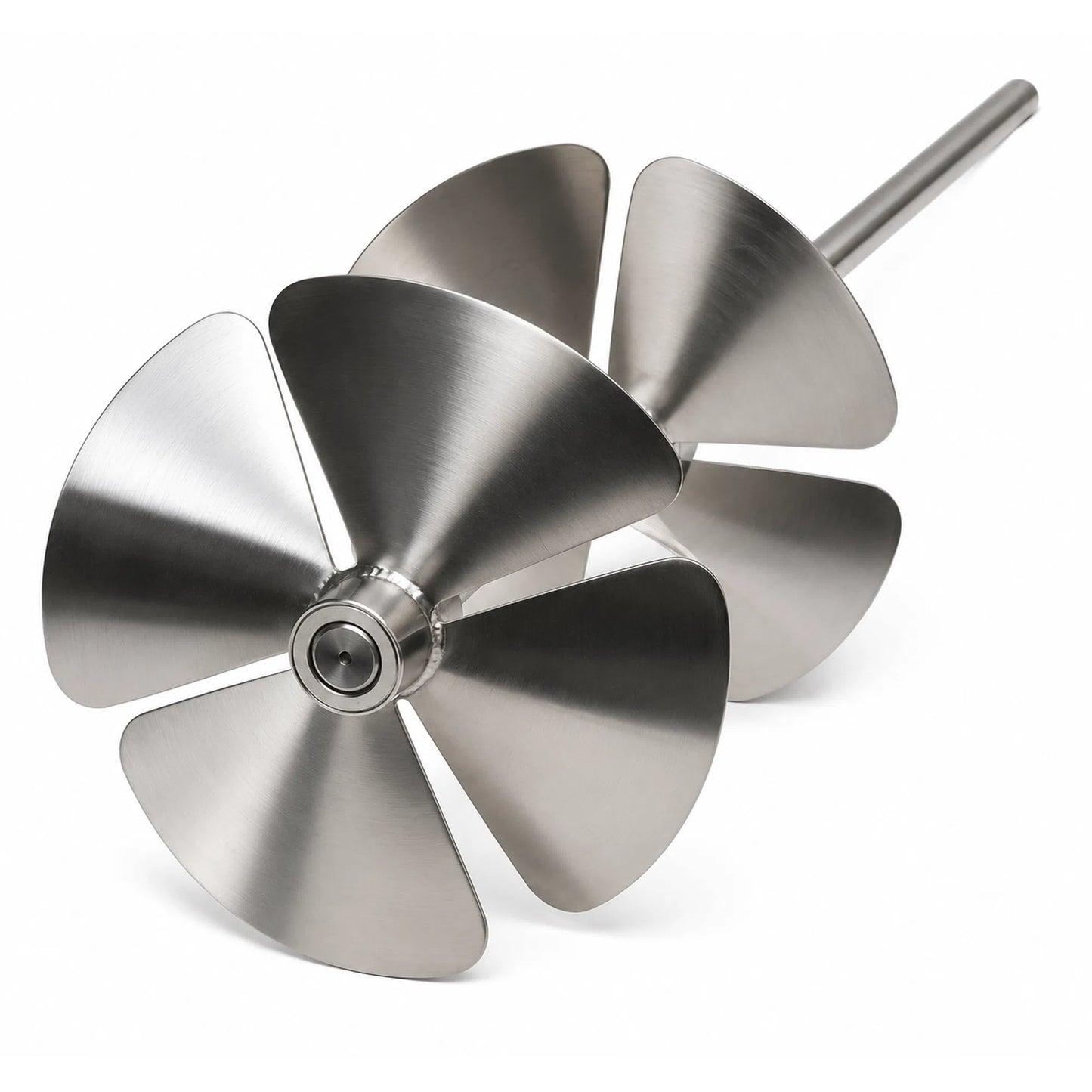
Honey Mixer Creamer 60cm - Stainless Steel Drill Attachment
Couldn't load pickup availability
Creamed Honey and Smooth Blends from a Bucket, with the Drill You Already Own
Creamed honey is one of the easiest ways to add a second product to a market table, and it tends to sell at a better price than runny honey in the same jar. The catch is the stirring. Seed a bucket with fine-grained honey and it needs to be worked through properly, more than once, over several days. Doing that with a spoon in 20kg of cold honey is a workout and you never quite get the seed evenly through the batch. The same goes for blending a dark honey into a lighter one or bringing a half-set bucket back to something you can pour.
This is a 60cm stainless steel honey mixer with a shaft that fits a standard drill chuck. Drop it into a bucket, pull the trigger on a low speed, and it does in a couple of minutes what would take a quarter of an hour by hand. The length is the point, a short paddle mixer from the hardware store won't reach the bottom of a 20 or 25kg honey pail, and this will.
How It Is Used
For creamed honey, the process is simple. Start with liquid honey, add roughly ten percent of fine-textured creamed honey as a seed, and mix it through until the colour is even. Keep the bucket somewhere cool, around 14 degrees if you can manage it, and give it another mix each day for three or four days. The mixer makes those repeat stirs quick enough that you actually do them, which is the difference between a smooth spreadable set and a grainy one. For blending, it's the same idea with less patience required, two honeys in one bucket, a minute or two on the drill, done.
Why Stainless and Why 60cm
Honey is mildly acidic and anything that isn't stainless will eventually mark or corrode where it sits in the bucket. Stainless steel is food safe, wipes clean in warm water and doesn't hold flavour between batches, so you can cream a stringybark one week and a yellow box the next without any carry-over. The 60cm length reaches the bottom of a standard honey pail with enough shaft left to keep the drill clear of the rim, so the honey stays in the bucket rather than on your kitchen wall.
A Few Things to Know
Use a corded drill or a decent cordless on its lowest speed setting. Honey is dense and a high speed will whip air into it, which leaves a cloudy, bubbly finish that takes days to clear. Start with the head fully submerged before pulling the trigger. This is a tool for buckets and pails, not for jars, and it's not a substitute for a powered creamer if you're doing 100kg batches a week. For a hobbyist or a small market seller working through a few pails a season, it's about the right size of solution.
Specifications
- Length: 60cm
- Material: Stainless steel
- Fitting: Straight shaft, fits a standard drill chuck
- Use: Creaming, blending and re-liquefying honey in buckets and pails
- Drill: Not included
What drill speed should I use with this mixer?
Always use the lowest speed setting. Honey is dense and a high speed whips air into it, leaving a cloudy, bubbly finish that takes days to clear.
How do I make creamed honey with this mixer?
Add roughly 10 percent fine-textured creamed honey as a seed to liquid honey, mix until even, then remix once a day for three or four days in a cool spot.
Does this mixer reach the bottom of a 20kg honey pail?
Yes, the 60cm length is designed to reach the bottom of a standard 20 or 25kg honey pail, unlike shorter hardware store paddle mixers.
Does this come with a drill?
No, the mixer has a straight shaft that fits a standard drill chuck, so you use a corded or cordless drill you already own.
Can I use this to blend two different honeys together?
Yes, blending two honeys in one bucket typically takes just a minute or two on the drill at low speed.
Is this mixer suitable for jars rather than buckets?
No, it's designed for buckets and pails, not for mixing honey directly in jars.
What material is the mixer made from?
Stainless steel, which is food safe, wipes clean easily, and won't carry flavour or corrode from honey's mild acidity between batches.
Can I use this for large 100kg commercial batches?
It's better suited to hobbyists and small market sellers working through a few pails a season, rather than a substitute for a powered creamer at commercial scale.
What temperature should the honey be kept at while creaming?
Around 14 degrees is ideal for the creaming process, kept cool and consistent over the three to four day mixing period.
How do I avoid air bubbles when mixing?
Keep the mixer head fully submerged before starting the drill, and stick to a low speed to prevent whipping air into the honey.