Beekeeping Gear
Stainless Steel Mesh for Bottom Boards - Ventilation & Beetle Control
Stainless Steel Mesh for Bottom Boards - Ventilation & Beetle Control
Couldn't load pickup availability
Rust-proof woven mesh for screened bottom boards, sized to keep bees in and pests out
Every beekeeper reaches the point where a solid floor is working against them. In an Australian summer a closed bottom board traps heat, and a colony that cannot breathe spends the hottest part of the day fanning instead of foraging. A screened floor fixes that, and the screen is the part that matters. This is the stainless steel mesh that makes a mesh bottom board actually work.
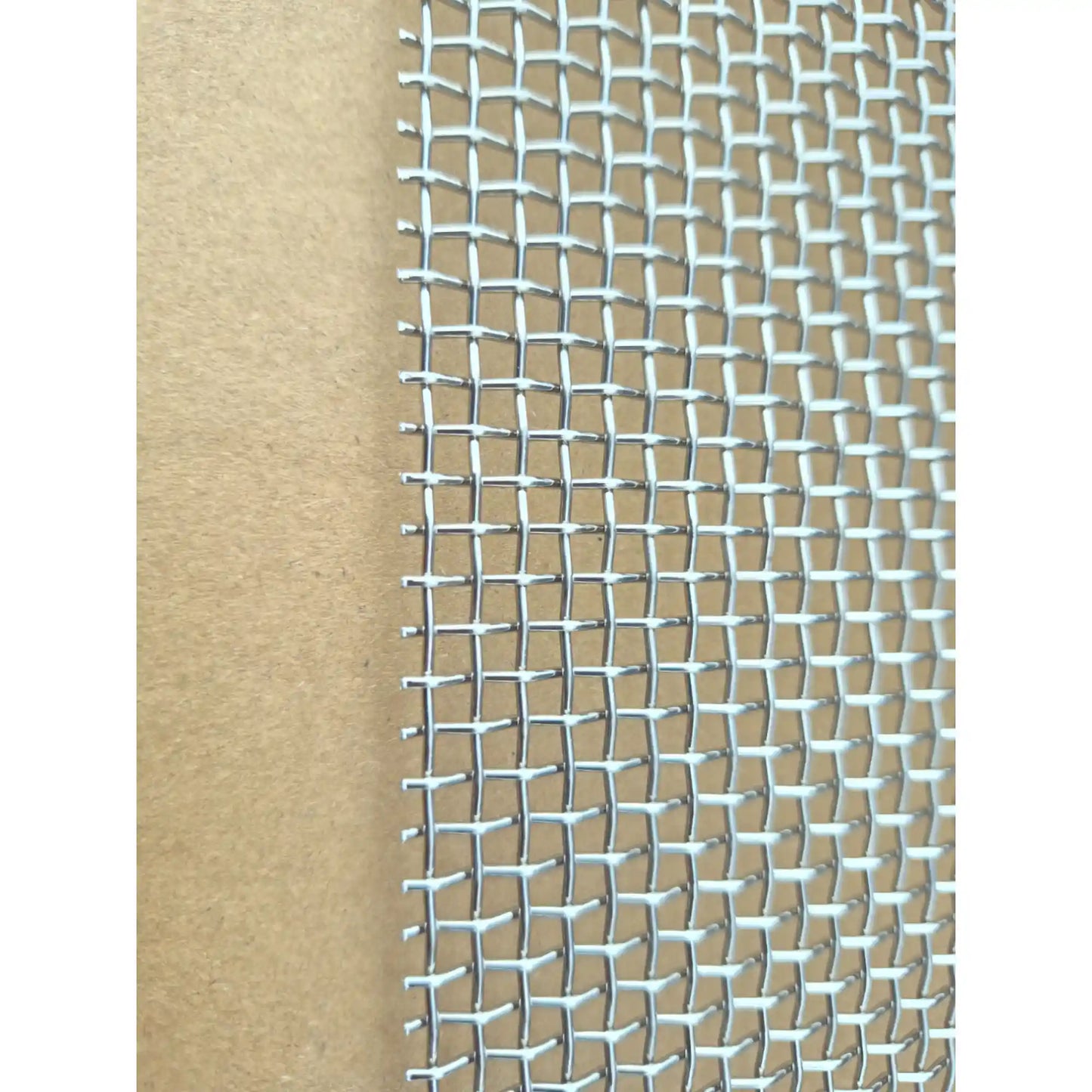
The weave is open enough that small hive beetles and varroa mites drop straight through to the tray below, yet tight enough that bees stay where they belong. Because it is stainless steel rather than galvanised, it shrugs off the moisture inside a hive and will not rust out the way cheaper wire does.
Ventilation that keeps the colony cool
Air moves freely up through the mesh from below, pulling heat out of the brood box on a hot day. The bees spend less energy cooling the hive and more building comb and raising brood, which is exactly what you want through a long summer. A mesh bottom board runs cooler than a solid floor every time the temperature climbs.
Small hive beetle control built in
Beetles knocked off the comb fall through the mesh and onto the tray underneath, where they cannot climb back up. Add a little diatomaceous earth to that tray and the floor becomes a working beetle trap rather than just a screen.
Varroa monitoring made simple
When you need to check mite load, mites that drop through the stainless steel mesh land where you can count them over a day or two. No guesswork, just a clear count off the tray below.
Cut to fit your boards
The mesh is supplied as a flat sheet, so you can cut and fix this bottom board mesh to suit the floors you already run, whether you are building new boards or replacing a screen that has seen better days. Because it is stainless, the cut edges will not rust where the wire is exposed.
Specifications
- Material: 304 stainless steel woven wire mesh, rust-resistant
- Wire thickness: 1 mm
- Hole size: 3.3 mm openings (approx. #8 mesh, the beekeeping standard
- Weave: Approx. #8 mesh (around 3 mm openings), the beekeeping standard
- Application: Screened bottom boards, ventilation, beetle and varroa control
- Format: Flat sheet, cut to size as needed
What mesh size is best for a bottom board?
Around #8 mesh is the beekeeping standard, and this mesh uses 3.3 mm openings with 1 mm wire. That is open enough to let small hive beetles and varroa mites fall through to the tray below, but tight enough that bees cannot pass through or get stuck in it.
Why stainless steel instead of galvanised?
A beehive is a humid environment, and galvanised wire eventually rusts and flakes. This stainless steel mesh resists corrosion, so it holds up season after season without rusting out under the colony.
Does the mesh help with small hive beetle?
Yes. Beetles knocked off the comb fall through the mesh and land on the tray below, where they cannot climb back up. Add diatomaceous earth to that tray and it works as a beetle trap.
Can I use it to check for varroa?
Yes. Mites that drop through the mesh land on the tray underneath, so you can count them over a day or two to gauge your mite load.
Will it fit my bottom boards?
This bottom board mesh comes as a flat sheet that you cut to size, so it suits standard Langstroth floors and DIY builds alike. Measure your bottom board frame and trim the mesh to match before fixing it in place.
How do I attach the mesh to my bottom board?
Most beekeepers staple or tack the mesh into a timber bottom board frame, then run a thin bead of glue or a timber strip over the edges to hold it flat and cover any sharp ends. Make sure it sits taut so it does not sag under debris over time.
Will the bees fall through or escape?
No. The #8 weave is far too tight for a bee to pass through. Bees walk across the mesh comfortably and treat it like any other floor, while only smaller debris, beetles, and mites drop through to the tray below.
Is a mesh bottom board a problem in cold weather?
In most of Australia the extra ventilation is a benefit year round, as it clears moisture that would otherwise build up inside the hive. In colder regions or through a cold snap, you can slide a solid tray or board underneath to close off the airflow, then remove it again as the weather warms.
How do I cut the stainless steel mesh to size?
A pair of tin snips or aviation shears cuts the mesh cleanly. Mark your size against the bottom board frame, cut just inside the line, and file or fold any sharp edges before fitting so they do not catch your hands during installation.
Does the mesh need cleaning or maintenance?
Very little. Because debris falls through to the tray rather than collecting on the screen, the mesh stays relatively clear on its own. An occasional brush to clear wax or propolis is usually all it needs, and being stainless steel, it will not corrode even left in place season after season.