Honey Storage Tanks – Reliable Storage Solutions for Beekeepers
After extraction, one key step in keeping honey quality is storing it correctly. If you keep bees as a hobby or run a big honey business, having the correct honey storage tanks can help keep the honey fresh, clean, and easy to process. Good storage equipment keeps honey clean, safe, and ready to be bottled or processed further.
This set has a variety of stainless steel honey storage tanks, honey creaming machines, and honey processing tools that are meant to help with modern beekeeping. These storage solutions are made of strong materials and have useful features that help beekeepers handle honey more easily from extraction to packing.
Safe Storage with Stainless Steel Honey Tanks
A reliable storage tank is one of the most significant instruments for processing honey. People use stainless steel tanks a lot since they last a long time, are easy to clean, and don't rust.
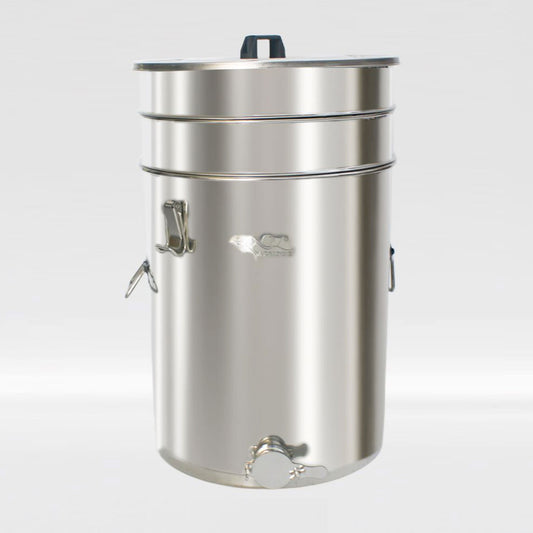
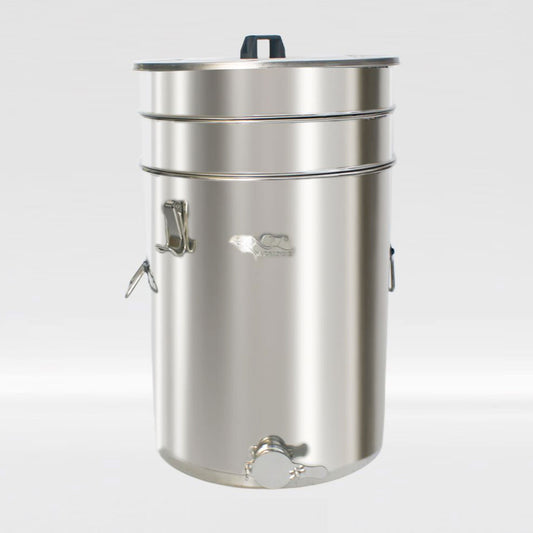
The Honey Tank 30 KG Honey Tank SS304 and other similar products are great for storing small to medium amounts of honey. The high-quality stainless steel construction keeps the honey pure and tasty while keeping it from getting contaminated.
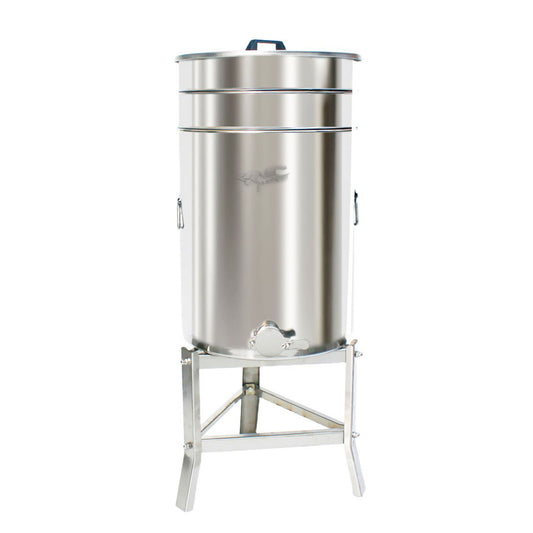
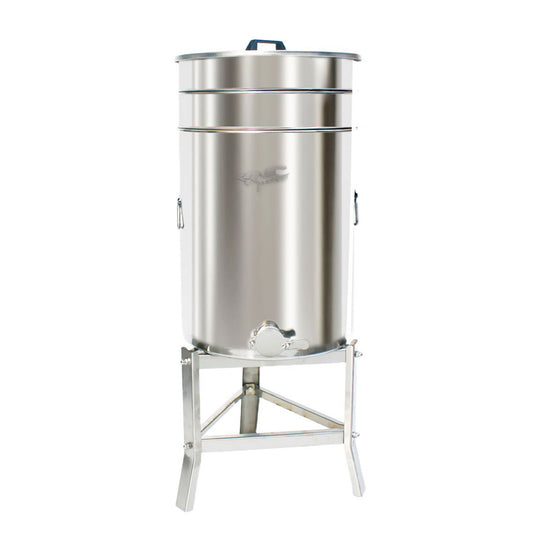
For bigger beekeeping businesses, the OZ ARMOUR 50 KG Honey Tank SS304 with Stand and the OZ ARMOUR 80/100KG Honey Tank with Stand are two choices that have more storage space and are more stable for processing and bottling.
Melters and creamers for processing honey
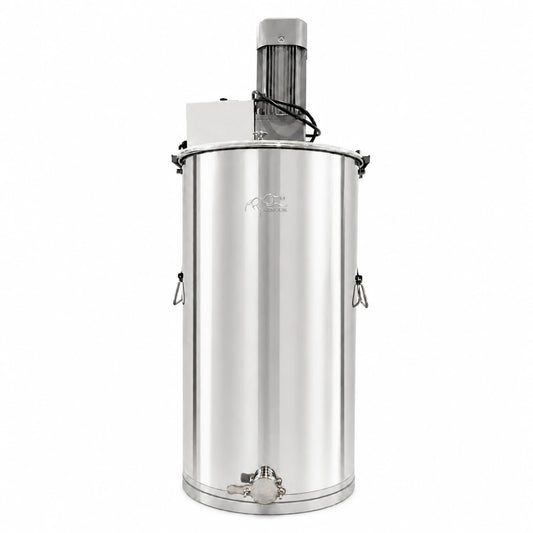
Some beekeepers employ sophisticated tools to manage the texture and crystallization of honey in addition to storage tanks. The Honey Creamer and Melter – 100KG and other machines assist in keeping honey smooth and spreadable while stopping it from crystallizing.
These machines help beekeepers process honey faster while keeping the quality the same. Controlled creaming and melting operations are great for making high-quality honey products that need to have a certain texture and consistency.
Heated tanks for honey that has crystallized
Honey can sometimes crystallize while it is being stored, especially in chilly places. Heated storage tanks help reheat the honey slowly and return it to its liquid state without hurting its natural characteristics.
The OZ ARMOUR 150KG Honey Creamer With Honey Melt Decrystallization is made to work well with crystallized honey. These methods let beekeepers process honey without losing its taste or quality.
Using the right decrystallization tools helps keep honey's natural properties while getting it ready for bottling or packing.
Systems for pumping and filtering honey
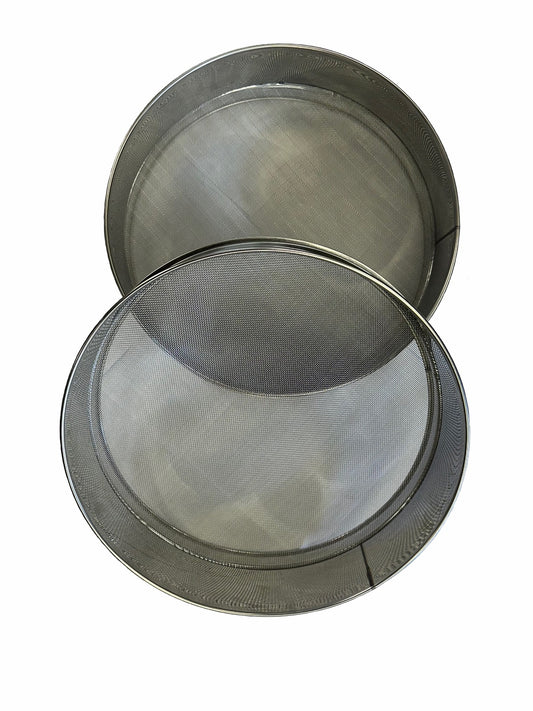
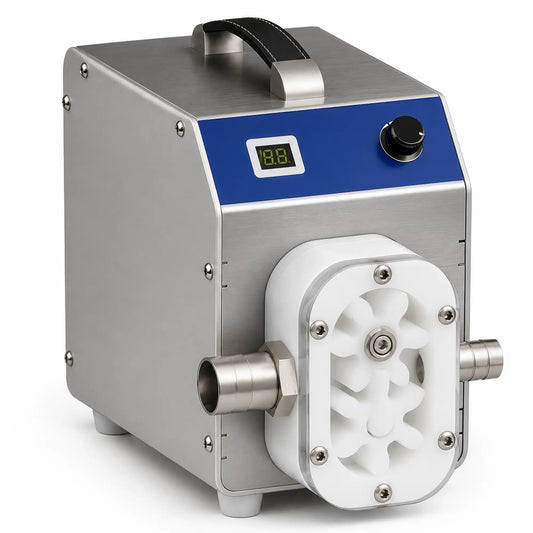
When gathering honey on a large scale, you often need equipment that can convey honey quickly between tanks and processing facilities. The Honey Pump & Filter makes this procedure easier by transporting honey and getting rid of dirt and wax particles at the same time.
Filtration systems make honey clearer and assist make sure that the final product meets quality criteria for packaging and sale.
These gadgets are very helpful for commercial beekeepers who have to deal with a lot of honey.
Professional honey storage for beekeeping businesses
Using good honey storage tanks and processing equipment helps keep the honey's natural flavor, purity, and quality. Every piece of equipment used to process honey is vital, from stainless steel storage tanks to creaming machines and filtering systems.
The Honey Tank 30 KG SS304, the OZ ARMOUR Honey Tanks with Stand, and the Honey Pump & Filter are all reliable ways to store and process honey quickly and easily.
Beekeepers can keep their crop safe, keep the quality high, and get honey ready for bottling and distribution with the correct storage tools.
Frequently Asked Questions
What is a honey storage tank used for?
A honey storage tank (also called a settling tank, honey settler, or honey bottling tank) is a food-grade stainless steel container used to hold honey between extraction and bottling. After honey is spun out of the comb in a honey extractor, it's poured into the storage tank where air bubbles, wax flakes, and debris rise to the top, honey drains cleanly from a tap at the bottom into jars or buckets, and honey can be warmed gently for easier flow during bottling. Storage tanks are the bridge between extraction and packaging in any honey-harvesting workflow.
What size honey storage tank do I need?
Choose your tank based on how many hives you harvest from each season. 50–100kg tanks are perfect for hobby beekeepers (1–5 hives), 150–300kg tanks are ideal for sideliners and small commercial operations (5–30 hives), and 400kg+ tanks are for serious commercial apiaries (30+ hives). A good rule of thumb: choose a tank that holds at least 1.5 times the honey from a single harvest day, so you have room for settling and aren't constantly emptying mid-extraction.
Why are honey storage tanks made from stainless steel?
SS 304 food-grade stainless steel is the gold standard for honey storage because it is food-safe (won't react with honey's natural acids or contaminate flavour), corrosion-resistant (won't rust or discolour over decades of use), easy to clean (smooth surface doesn't trap residue or harbour bacteria), hygienic (meets food industry standards globally), and long-lasting (a quality SS 304 tank can last 30+ years with basic care). Avoid plastic tanks for long-term honey storage — plastic can absorb flavours, scratch easily, and degrade over time.
What is SS 304, and why does it matter?
SS 304 is a specific grade of stainless steel containing approximately 18% chromium and 8% nickel. It's the international standard for food-grade equipment and is the same material used in commercial honey processing facilities, dairy and brewery equipment, restaurant and food production tanks, and pharmaceutical-grade containers. When buying a honey storage tank, always confirm it's SS 304 (or higher, like SS 316). Lower grades can rust, leach metals into honey, and fail food safety standards.
Do honey storage tanks come with a honey gate?
Yes — all our honey storage tanks include a stainless steel honey gate (tap) at the base for clean, controlled draining into buckets, jars, or bottling lines. Our tanks feature wide-bore taps for fast, smooth honey flow, a drip-free design to keep your bottling area clean, easy-clean construction for quick rinsing between batches, and replaceable parts if the tap ever wears out after years of use.
What's the difference between a settling tank and a bottling tank?
These terms are often used interchangeably, but there's a subtle difference. A settling tank is used to let extracted honey rest, allowing air bubbles, wax, and debris to rise to the top before bottling. A bottling tank is used during the actual bottling process, often with a wider tap for filling jars quickly. Most modern stainless steel tanks (including ours) do both jobs — settle the honey, then bottle straight from the same tank. This is the most efficient setup for hobby and small commercial beekeepers.
How long should I let honey settle in the tank before bottling?
For best results, let the honey settle in the tank for at least 24–48 hours before bottling. During this time, air bubbles rise to the top and pop, wax flakes and propolis bits float to the surface, and foam can be skimmed off easily. Settled honey looks clearer, fills jars without bubbles, and presents better on shelves. Some commercial beekeepers settle for 3–7 days for premium-quality honey.
Can I heat or warm honey in a stainless steel storage tank?
Yes — many of our tanks are compatible with honey warming jackets or built-in heating elements that gently warm the tank to around 35–40°C. This keeps honey flowing smoothly during bottling and helps delay crystallisation without damaging the natural enzymes. Important: never heat honey above 40°C for extended periods — high heat destroys enzymes, ruins flavour, and degrades quality. Slow, gentle warming is the rule.
How do I clean a honey storage tank between batches?
Cleaning stainless steel honey tanks is straightforward: drain all the honey through the tap into your bottling buckets, rinse with warm (not hot) water to remove residual honey, use a soft brush with food-safe detergent if needed (avoid abrasive scrubbers), rinse thoroughly until the water runs clear, dry completely before storing as moisture promotes bacterial growth, and cover with the lid to keep dust and pests out between uses. Never use harsh chemicals or steel wool — they can damage the food-grade surface.
Do honey storage tanks come with a lid?
Yes — all our honey storage tanks come with a fitted stainless steel lid to keep honey clean during settling and storage, prevent dust, insects, or contaminants from entering, reduce honey from absorbing moisture from humid air (which can cause fermentation), and maintain food hygiene standards if you're selling commercially. A tightly-fitting lid is essential — never leave honey uncovered for extended periods.


 Sold out